
I can’t believe we drove right past Sacramento as many times as we did.
The air quality in California’s Central Valley can be rough, so we always tried to get through Sacramento and Stockton as quickly as possible. But each time we passed through, I kept noticing birds in the fields, especially when the fields were flooded.
Eventually, curiosity won.
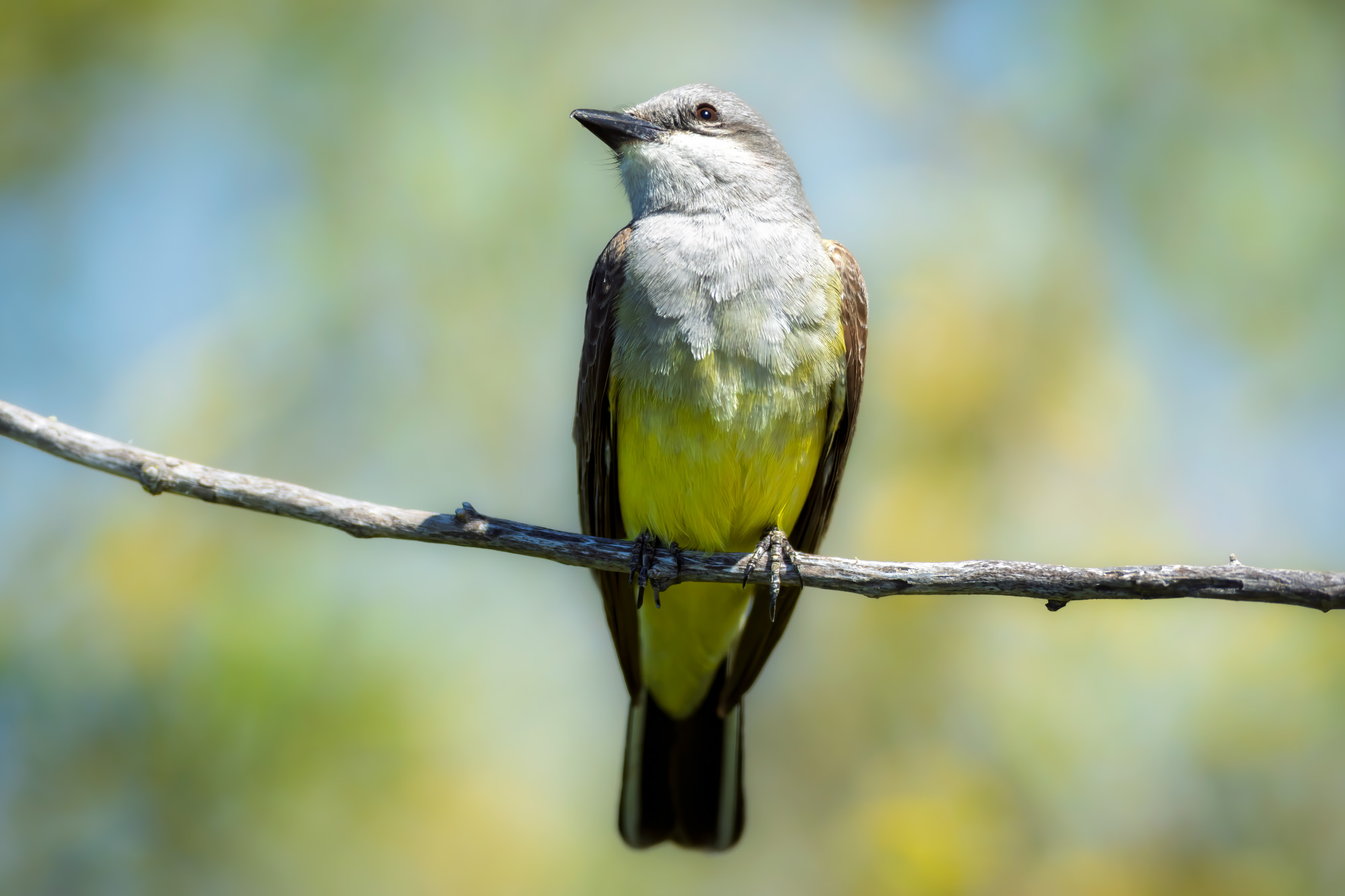
In 2024, we finally decided to stop and explore. What we discovered was a network of wildlife refuges that has since become my favourite new spot for bird photography. I’ve been back three times now and have quite a collection of photographs to share.
The Sacramento National Wildlife Refuge is the largest of the refuges in the area. It’s part of a network of protected wetlands spread across the northern Central Valley, each one supporting the birds that travel the Pacific Flyway.
Stretching across more than 10,000 acres of wetlands, grasslands, and riparian habitat, it’s a seasonal haven for hundreds of thousands of waterfowl, and a haven for birdwatchers and photographers too.
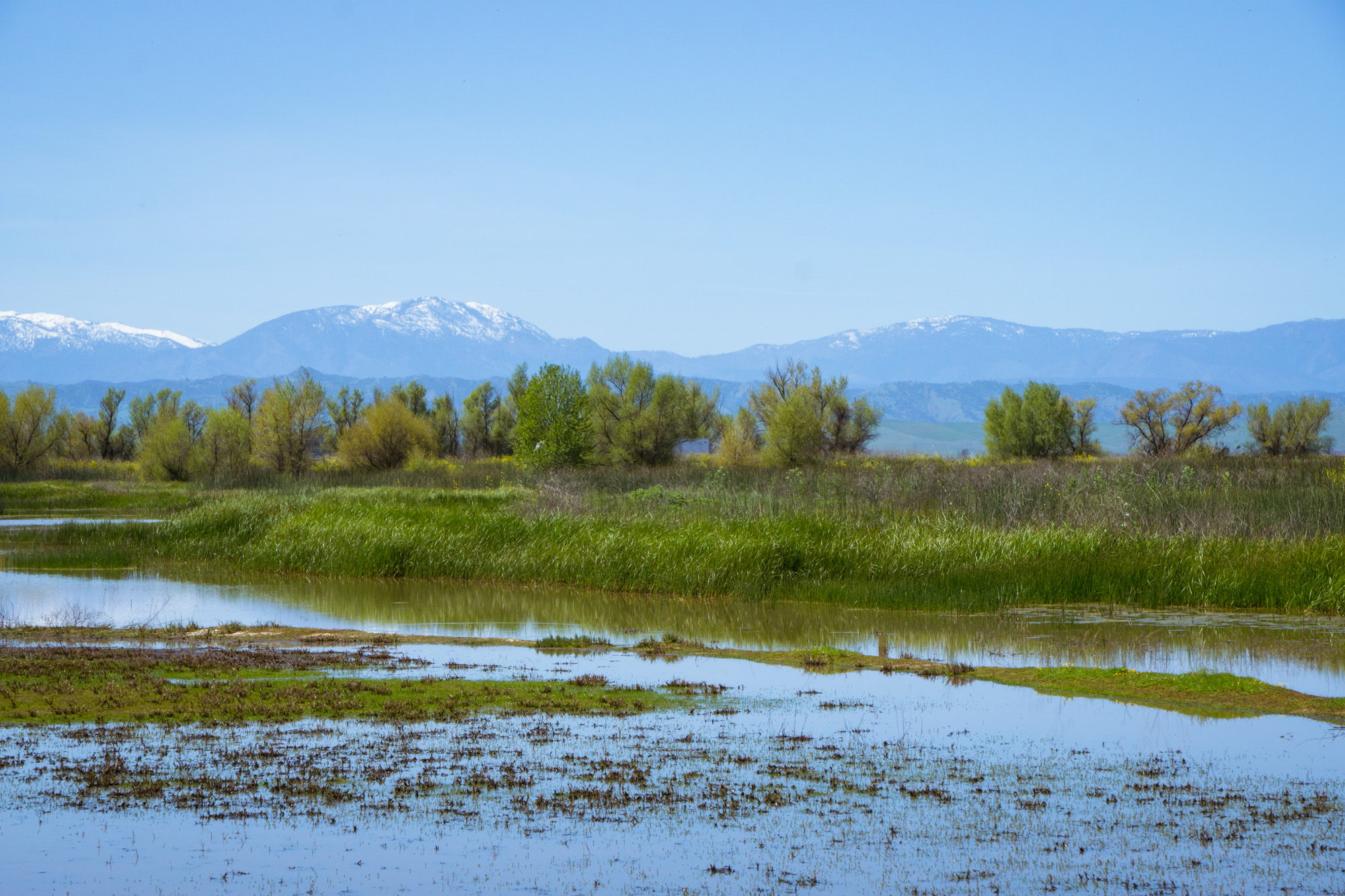
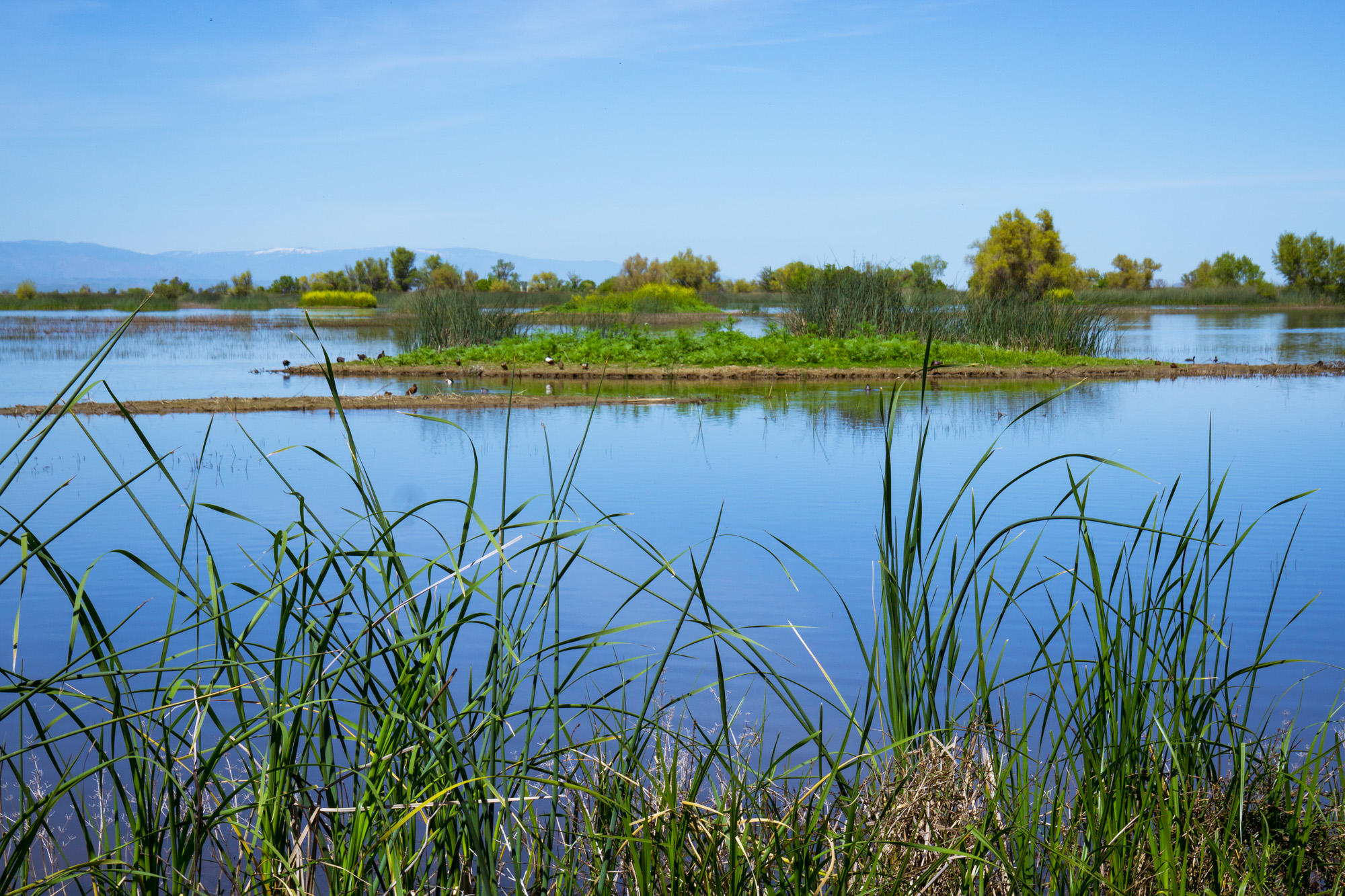
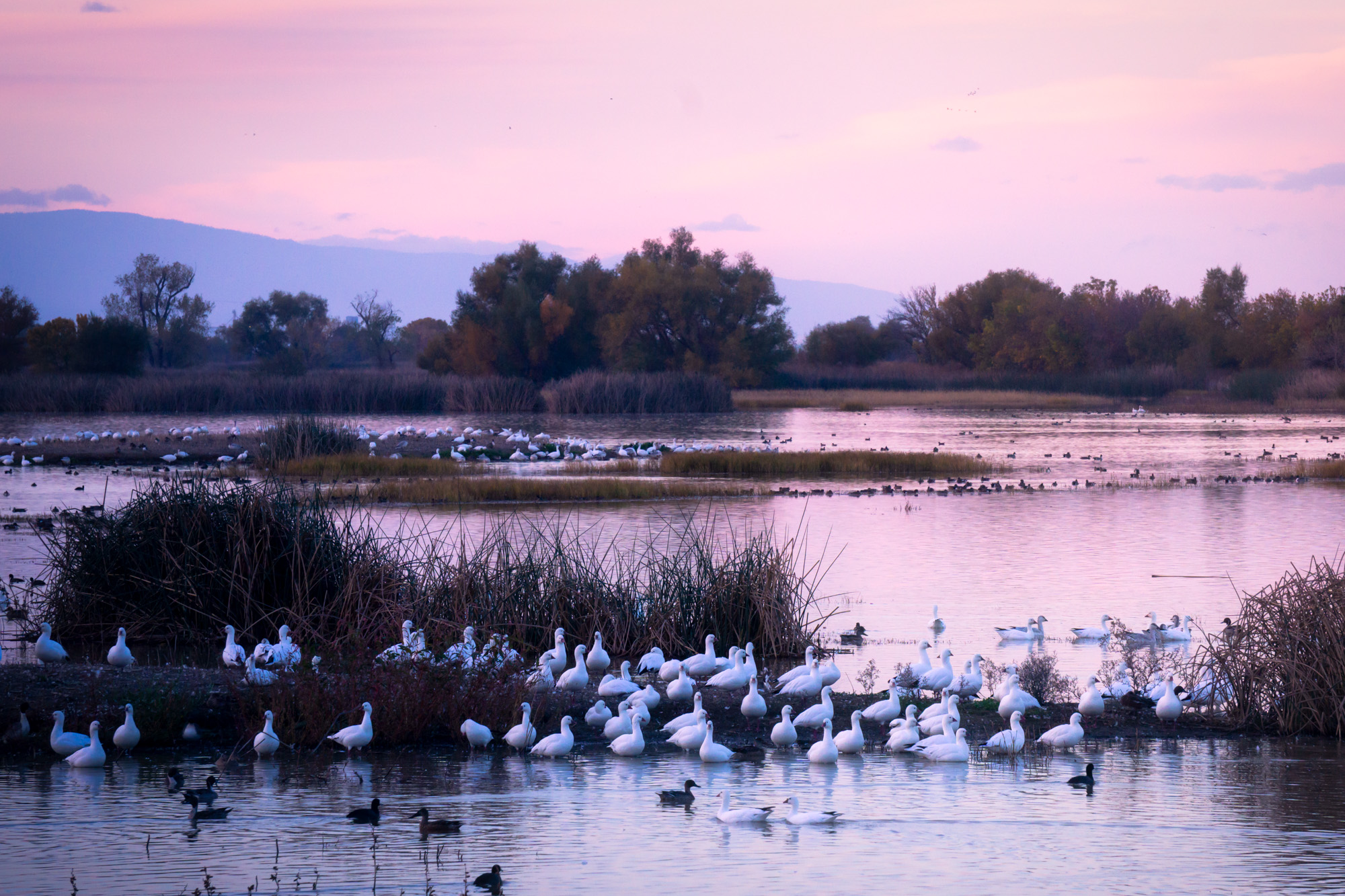
I first visited in the spring of 2024, then returned again in the fall, and once more in the spring of 2025. Each time felt different. The light changes with the seasons, the water levels rise and fall, and the species change. Every time I am impressed by the number of birds that can exist right alongside crops, roads, and towns.
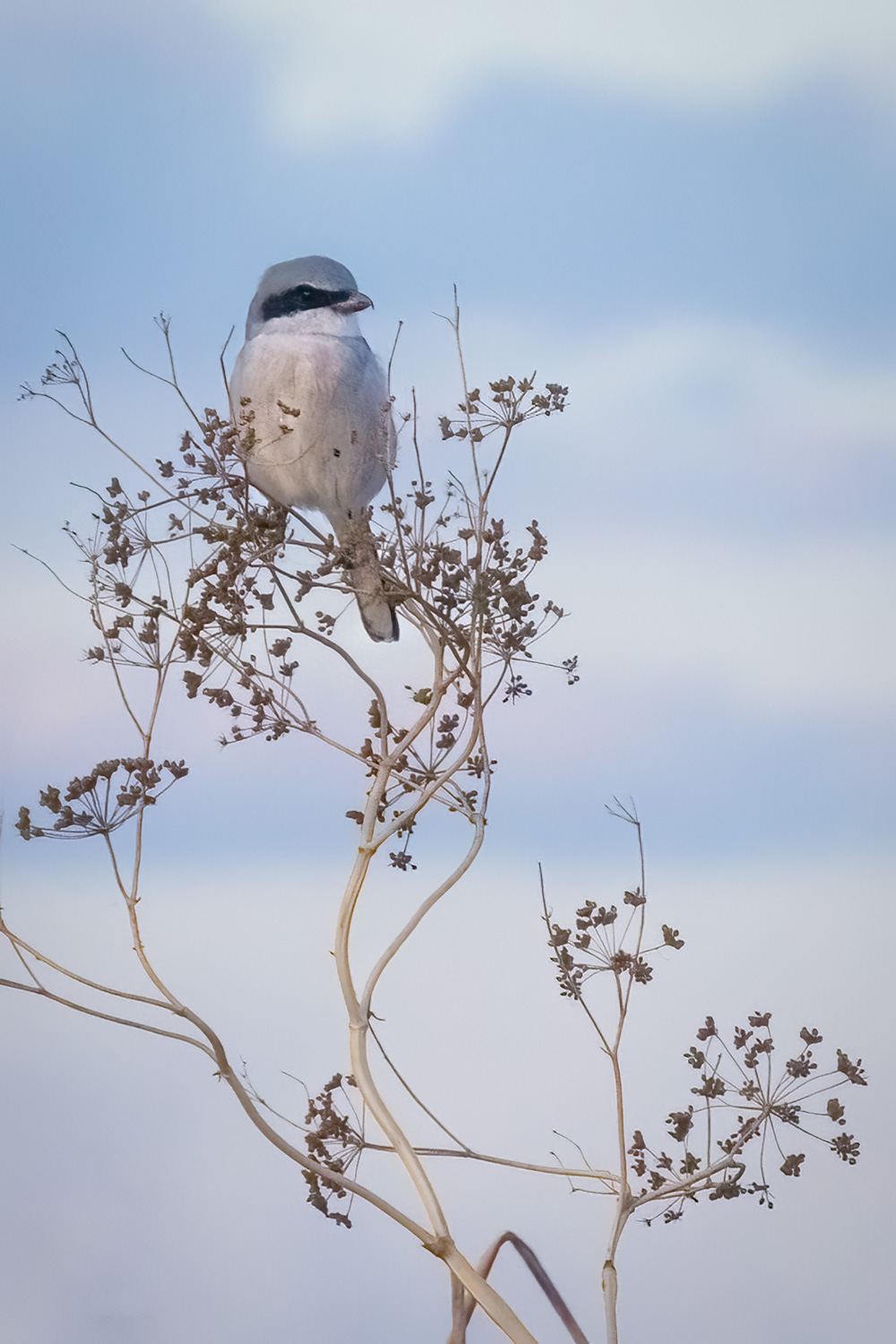
Loggerhead Shrike
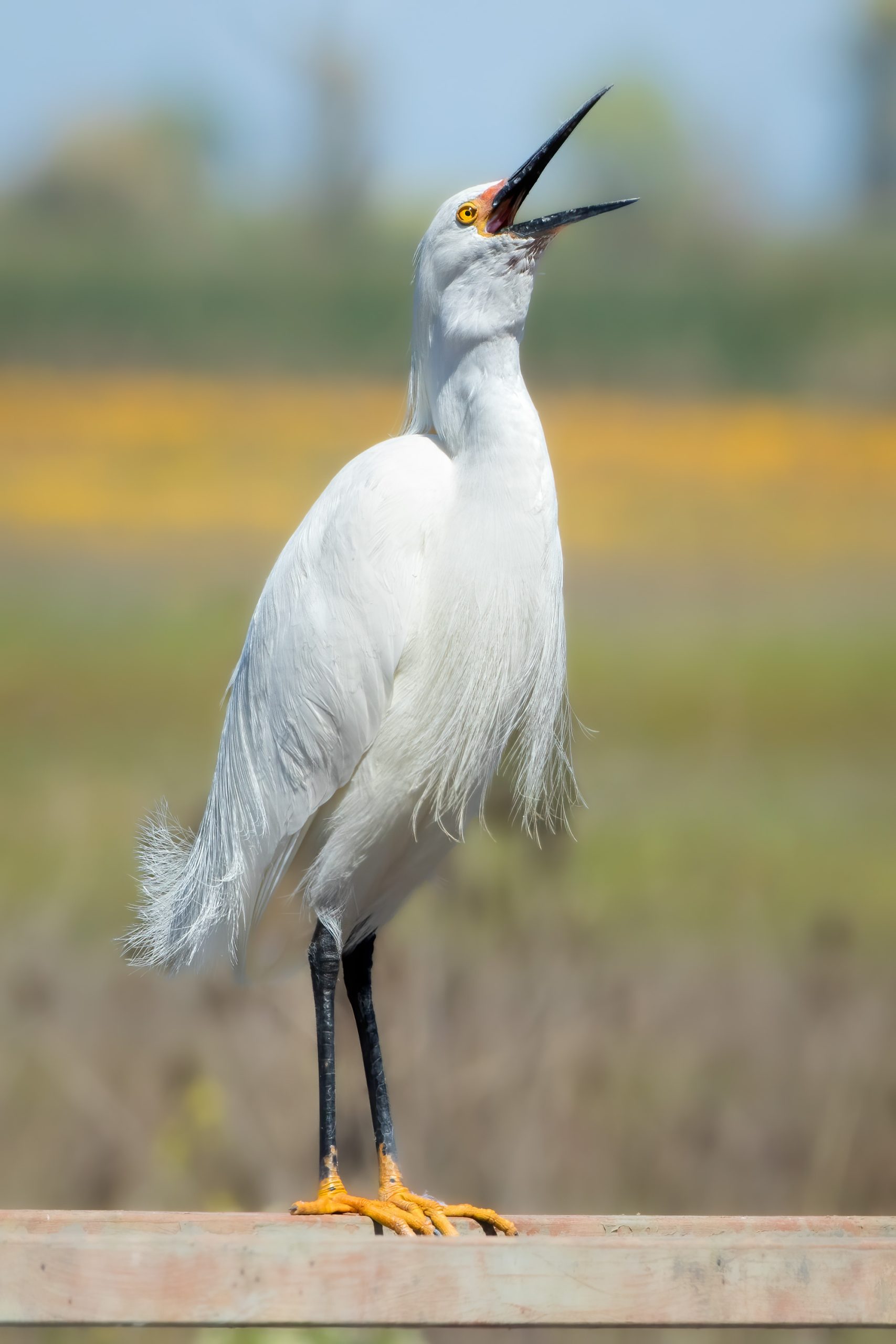
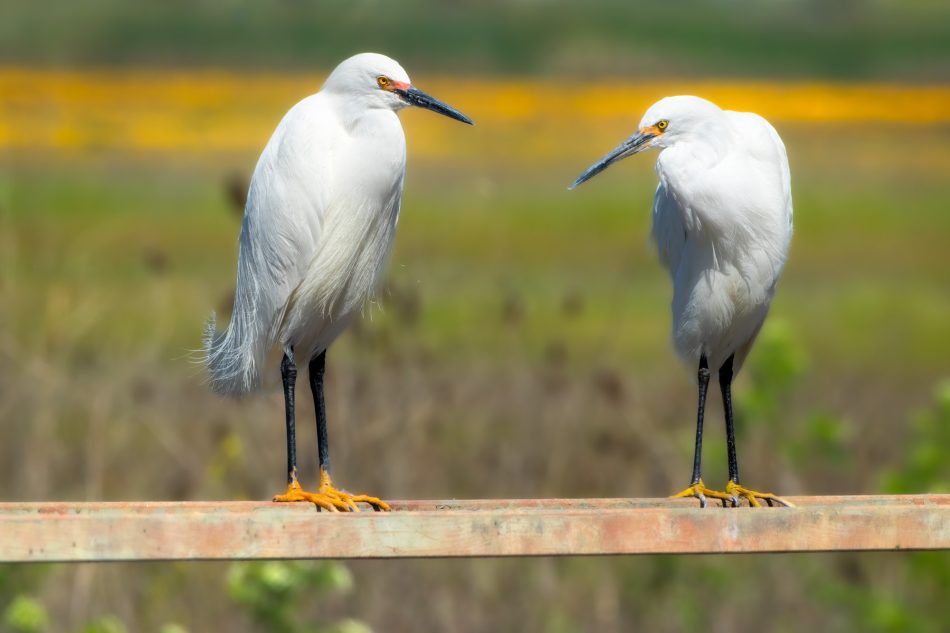
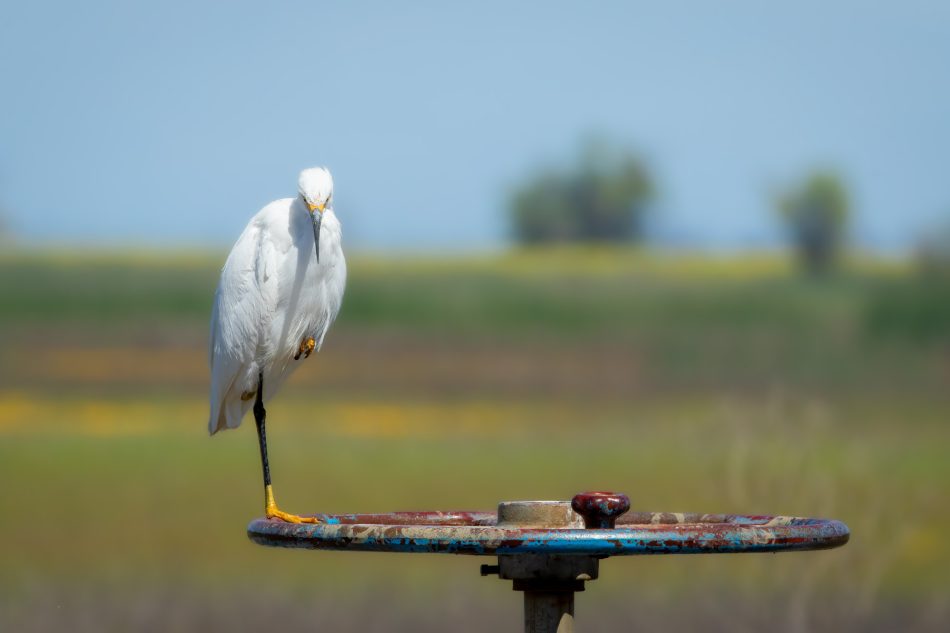
Snowy Egret
Most visitors experience the refuge by driving the 6-mile Auto Tour Route, a gravel road loop that winds through wetlands and seasonal pools. It’s designed to let you explore without disturbing the wildlife, which means you’re required to stay in your vehicle except at designated stops. There are a few places where you can get out and enjoy short walking trails and viewing platforms, but for much of the tour, your car becomes your blind.
And that’s part of the magic.
At Sacramento National Wildlife Refuge, your vehicle becomes your blind.
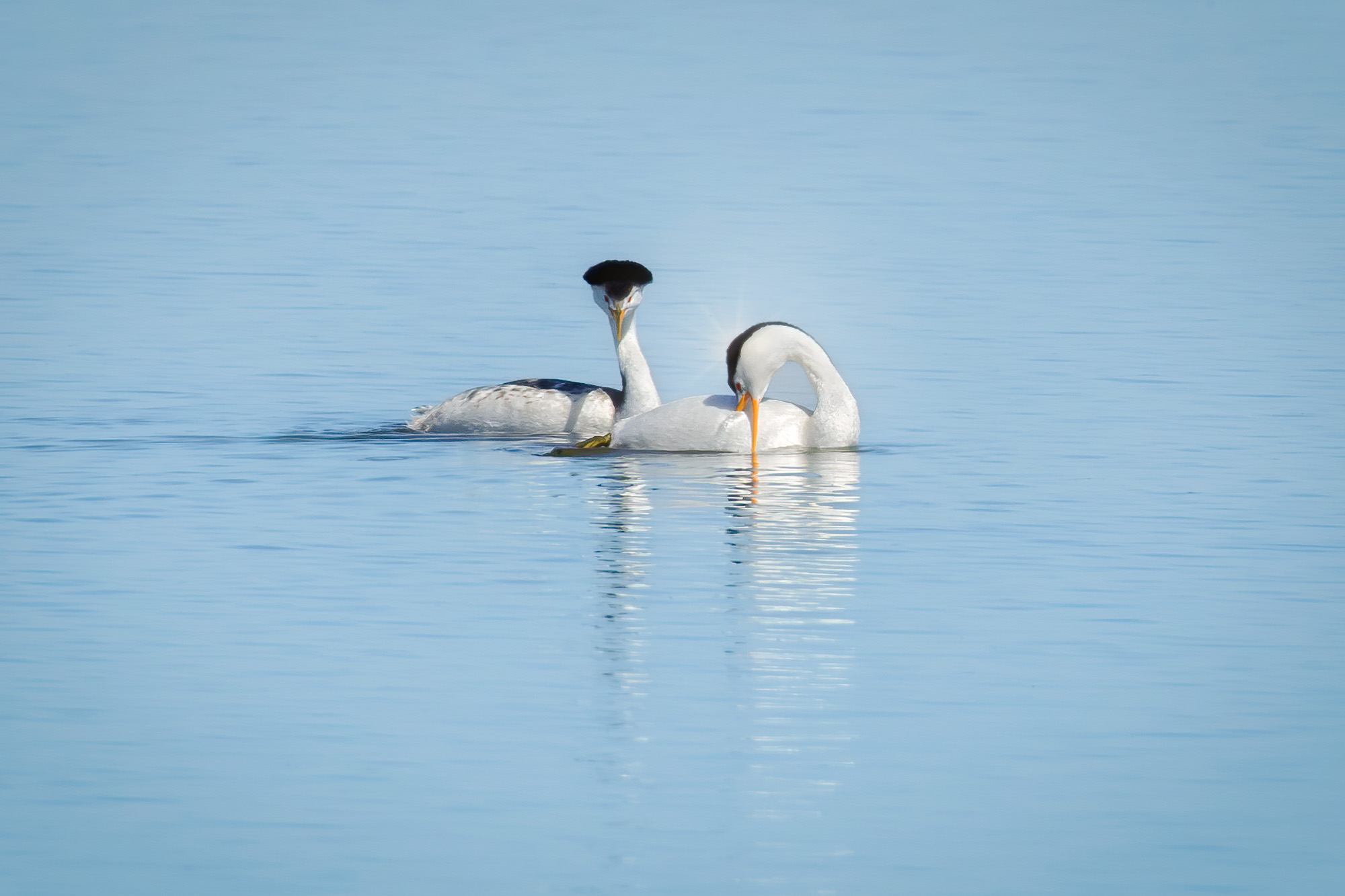
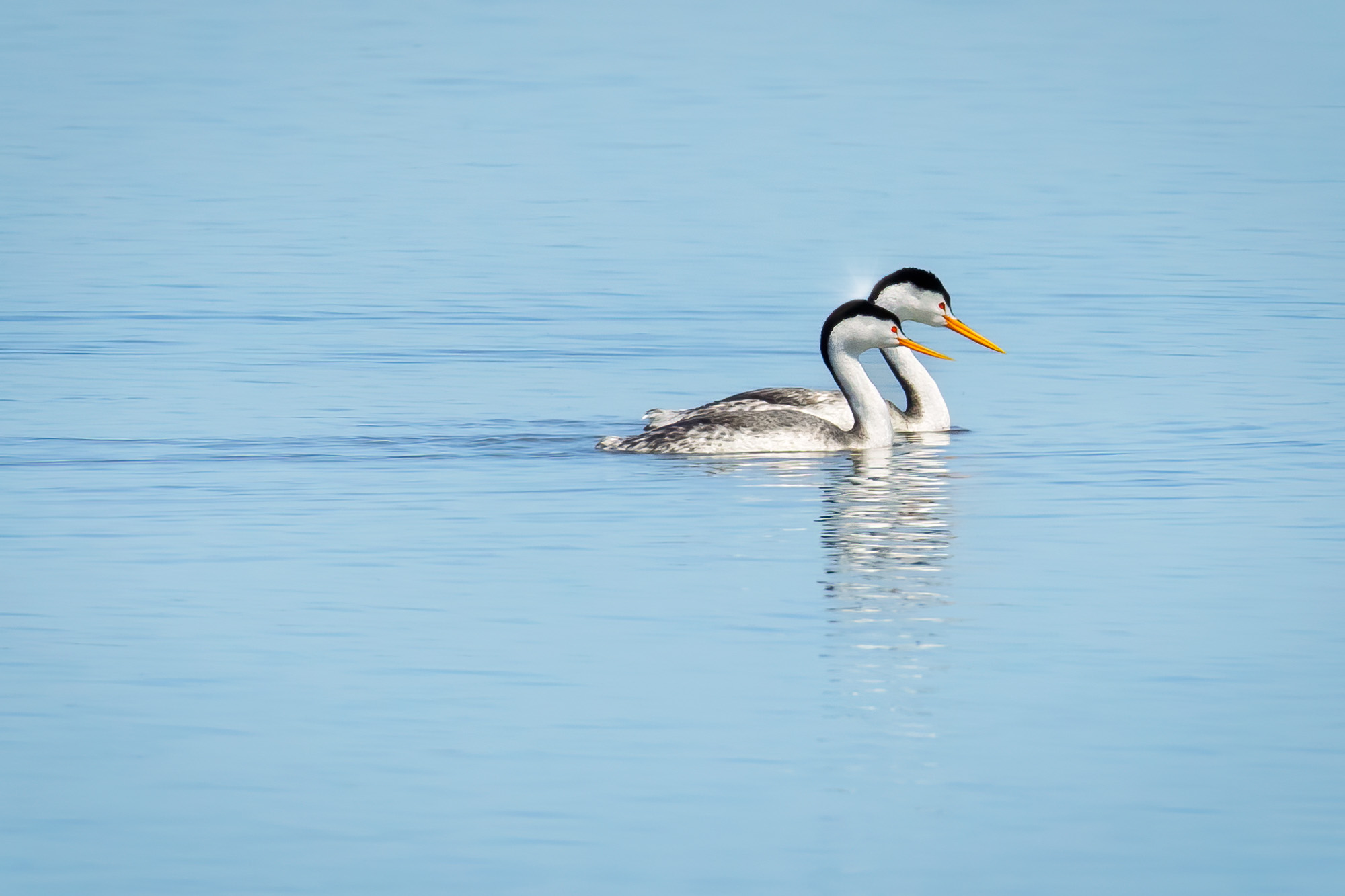
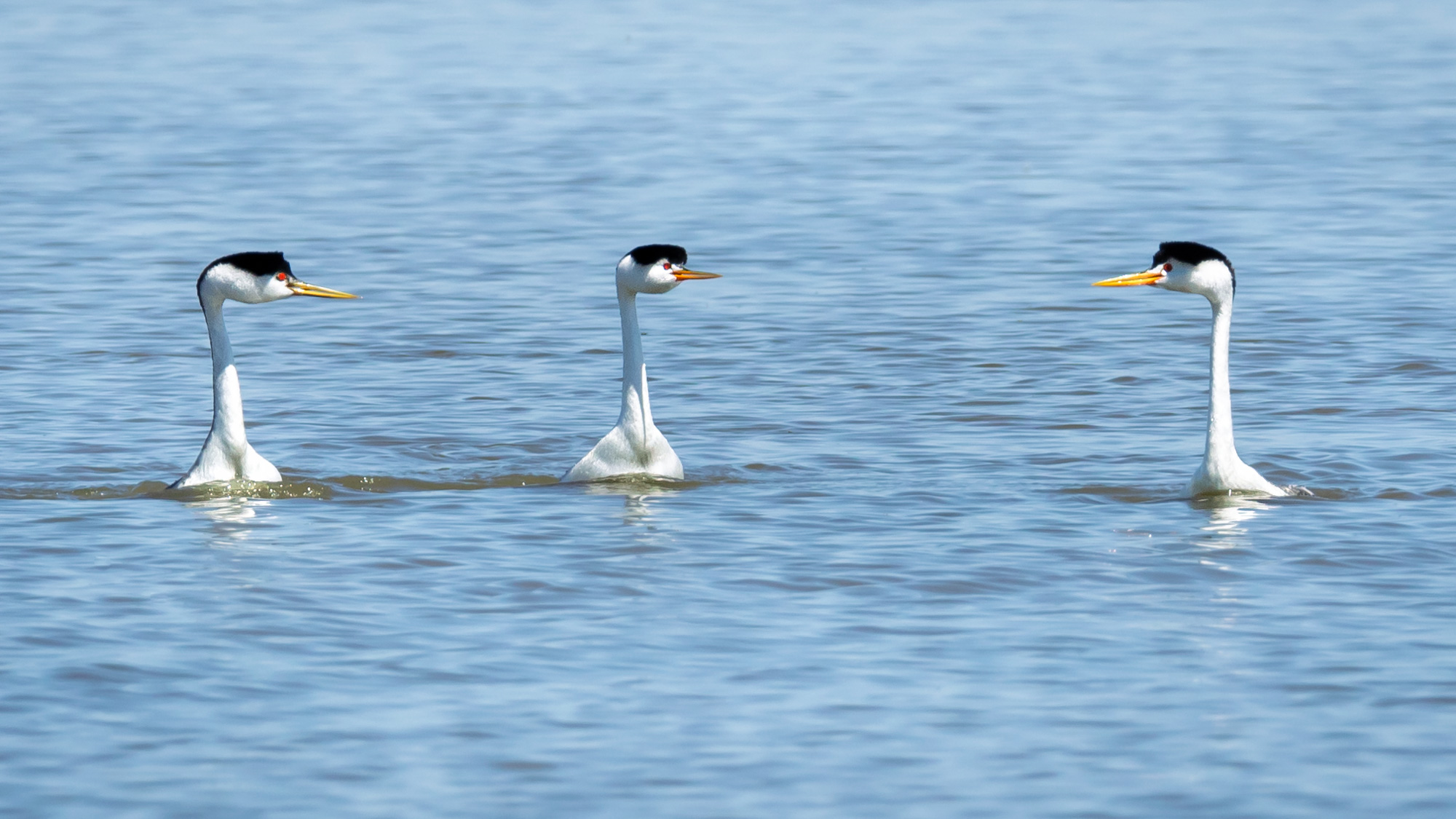
Usually, I begin with a slow drive around the loop, just taking it all in. The first pass is for noticing what’s happening and where the birds are. This is when I love to capture environmental and landscape shots. These wider frames tell the story of place. Then, after I’ve had my overview, I decide where I want to spend some time watching.
The first lap is for noticing. The second is for photographing.
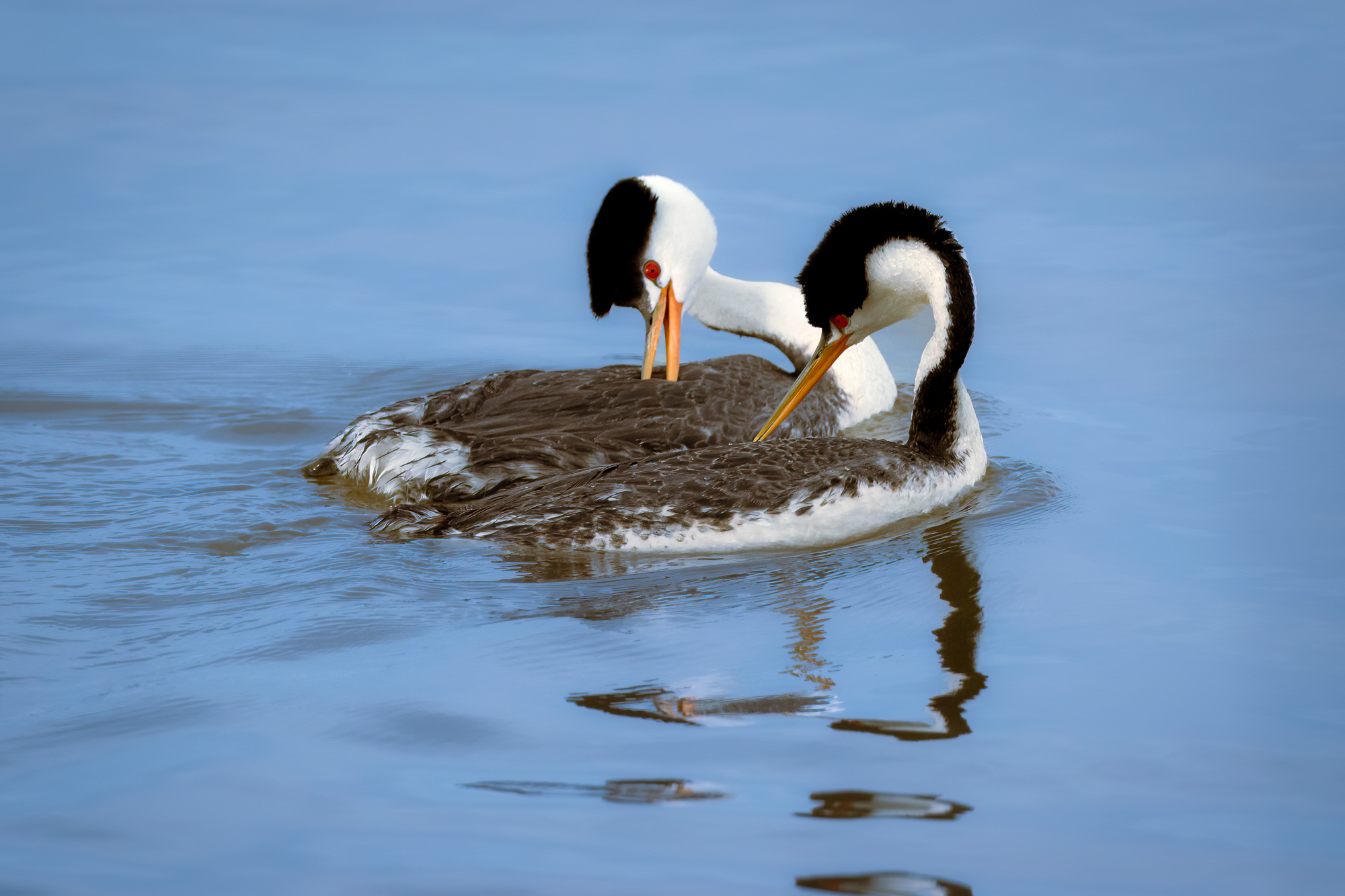
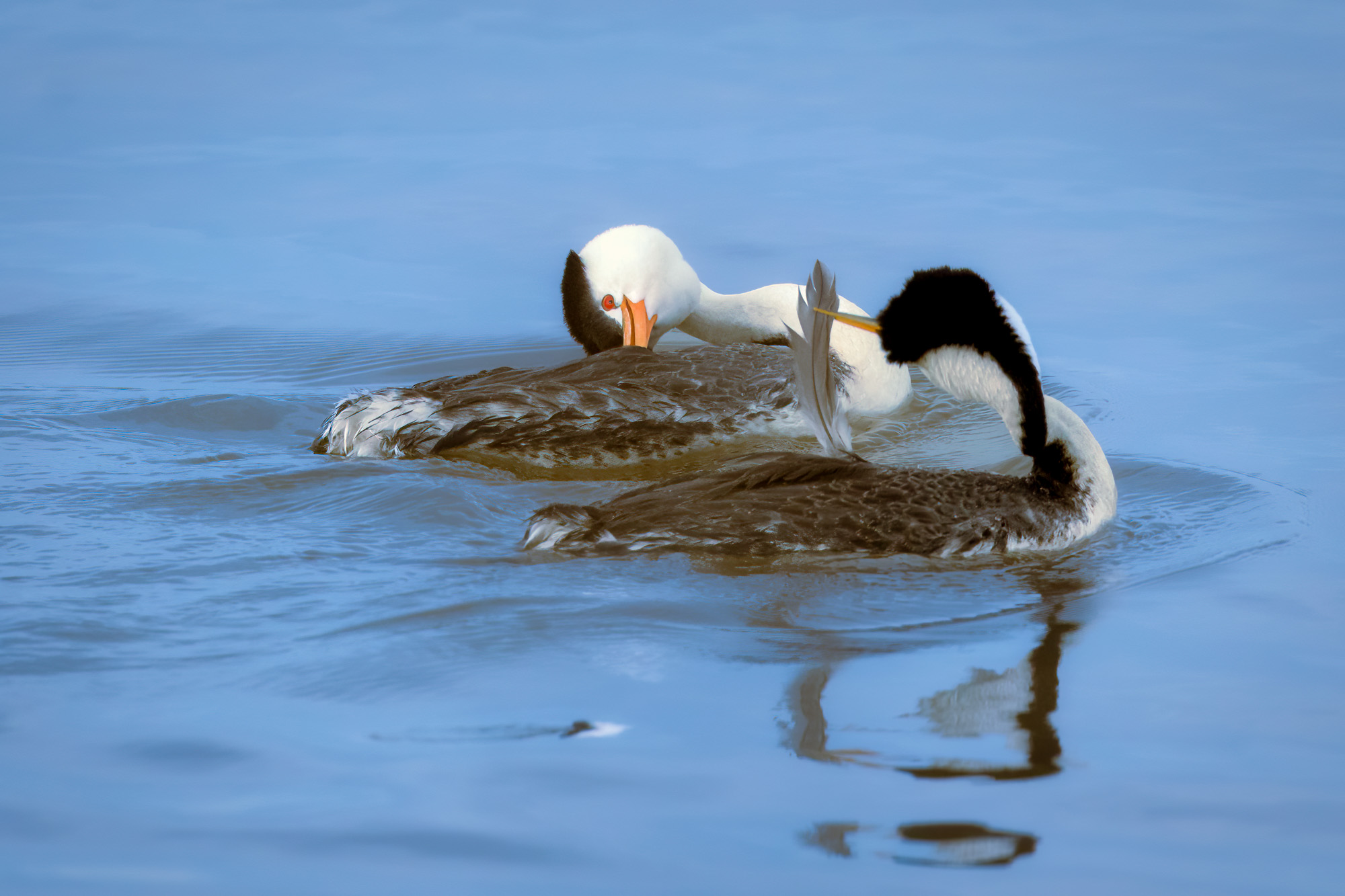
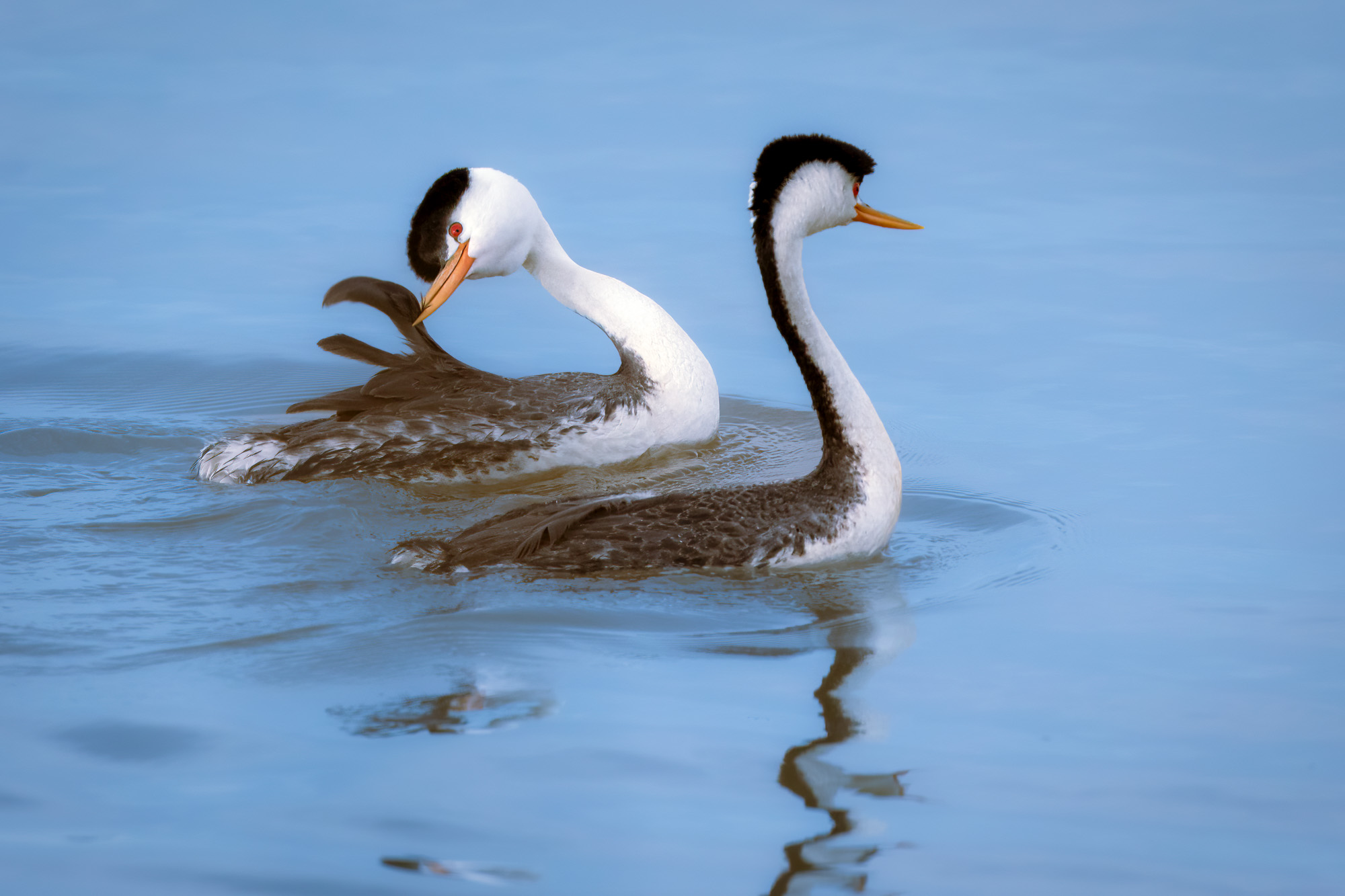
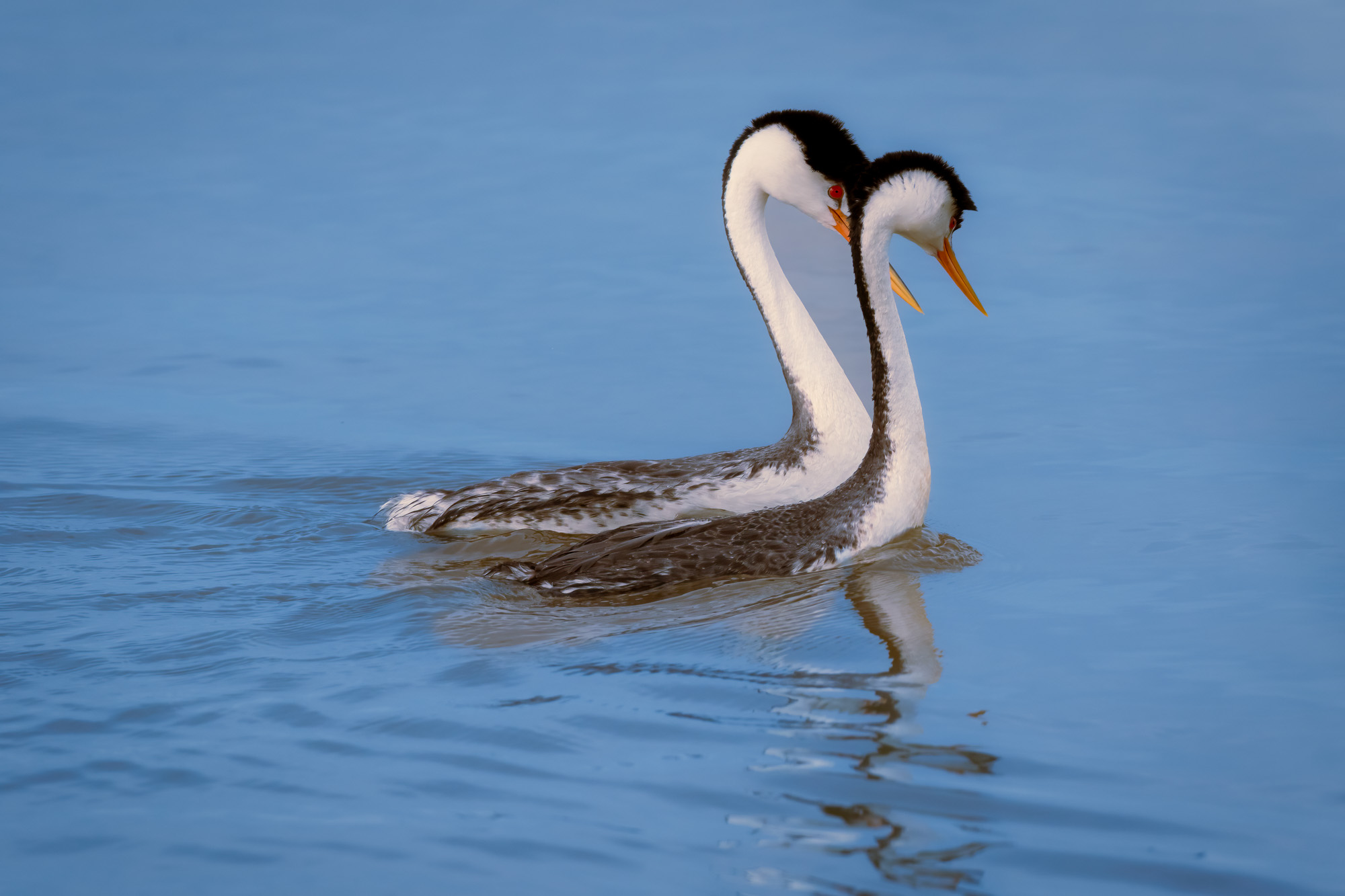
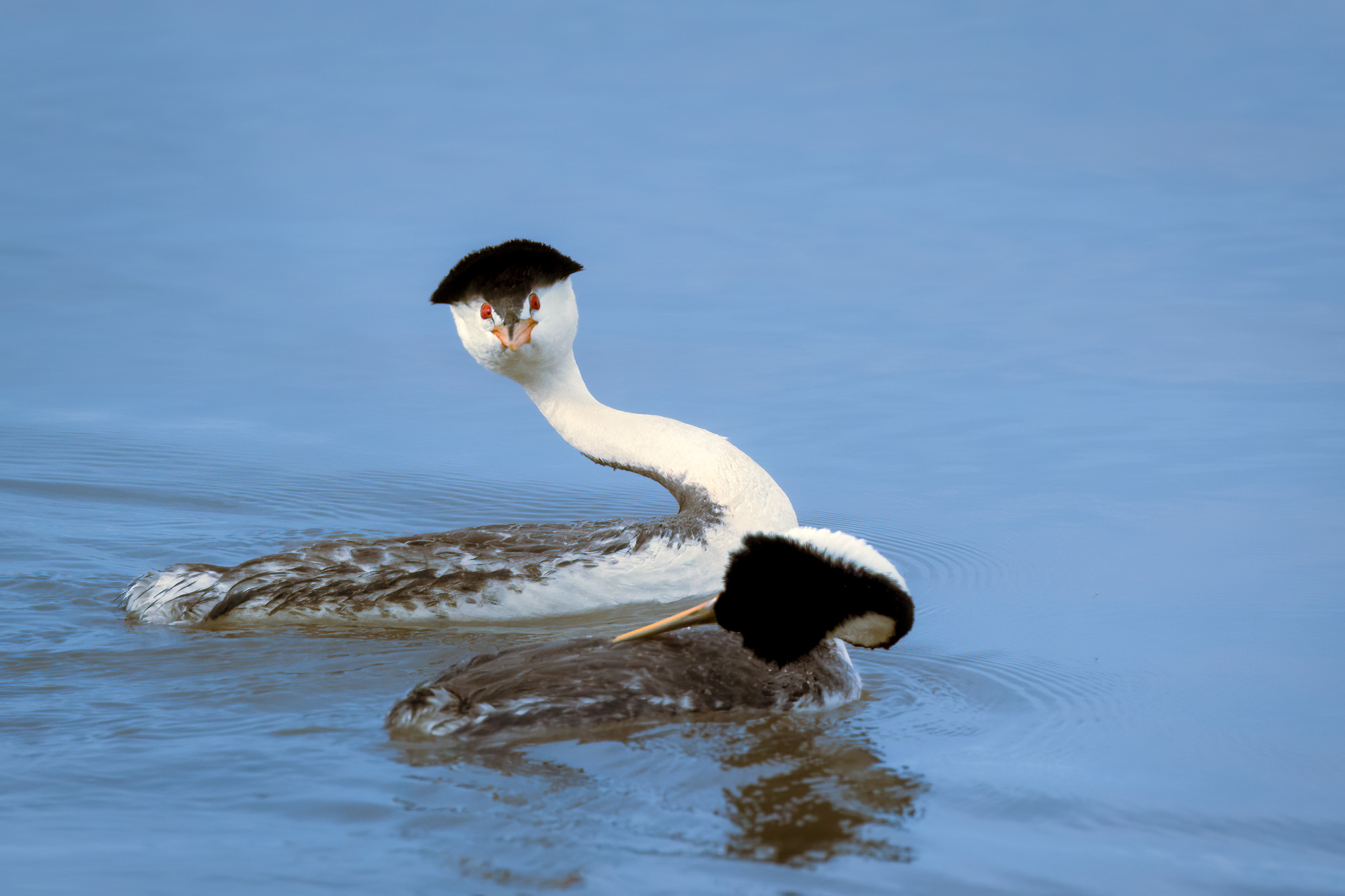
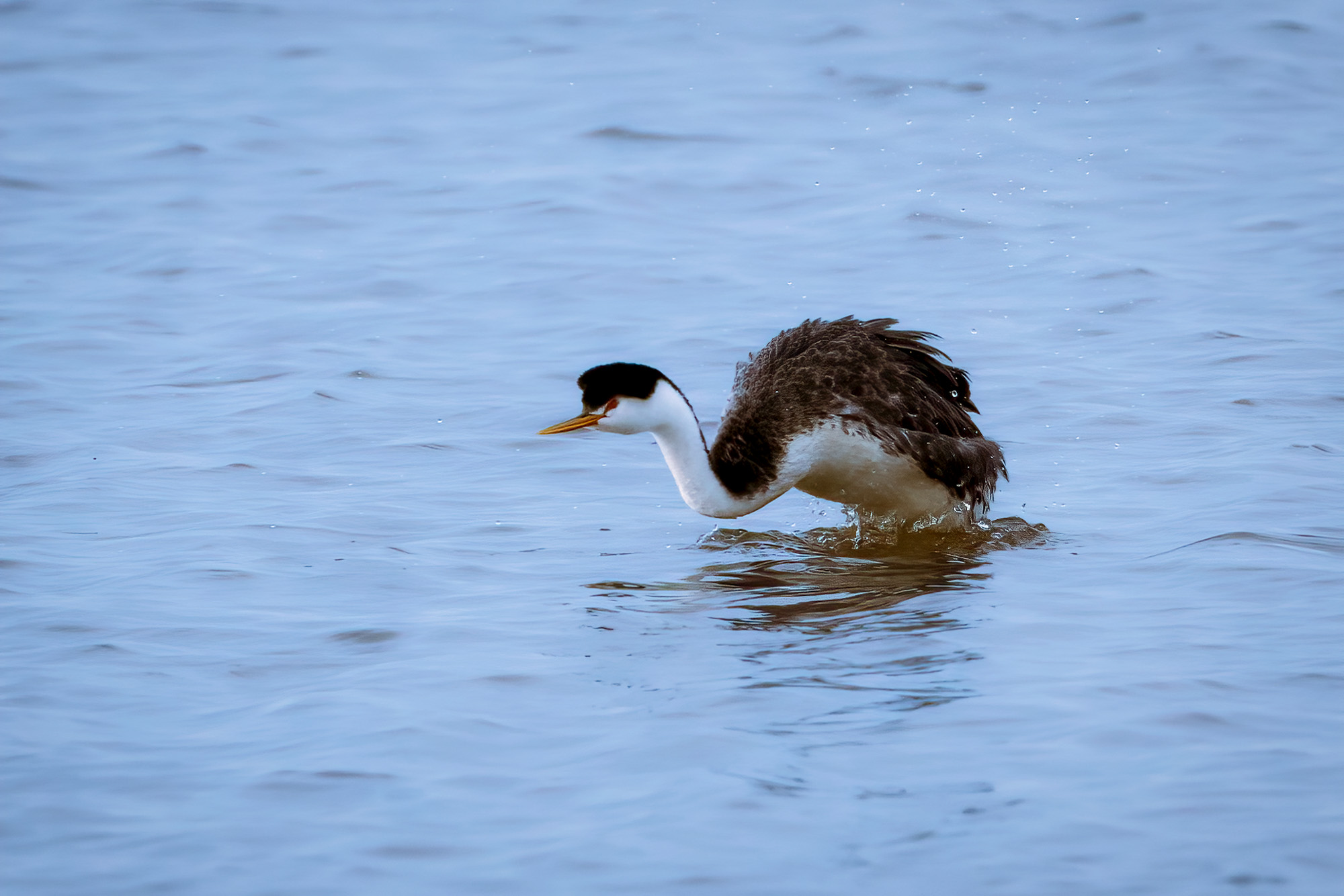
Clark’s Grebe
After that first slow circuit, I shift gears.
Because you’re not allowed to get out of your vehicle along most of the route, I have to get creative. Some people use bean bags balanced on open windows, turning their car window into steady shooting platforms. It’s a great system, but in our truck, I prefer a different setup.
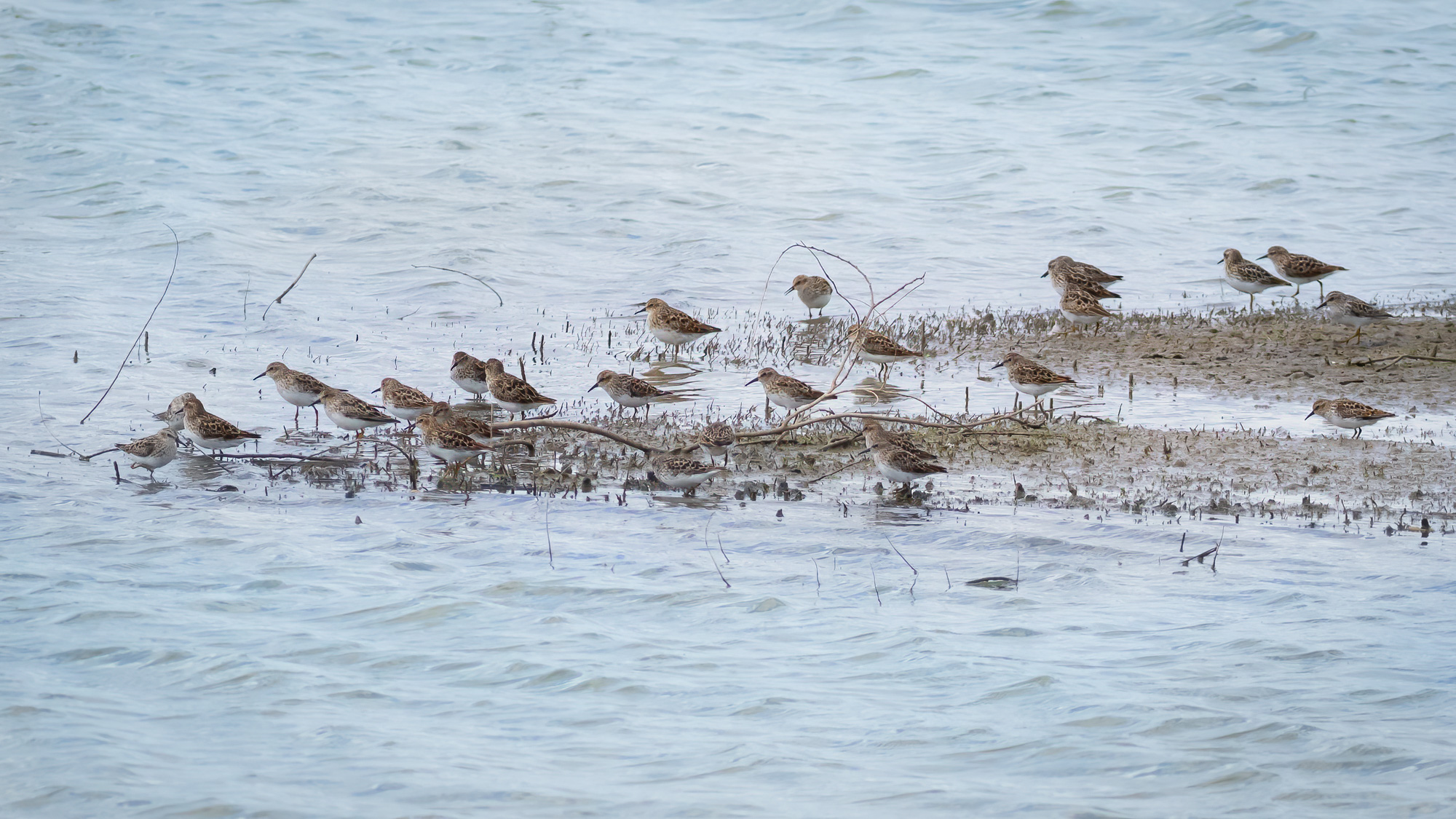
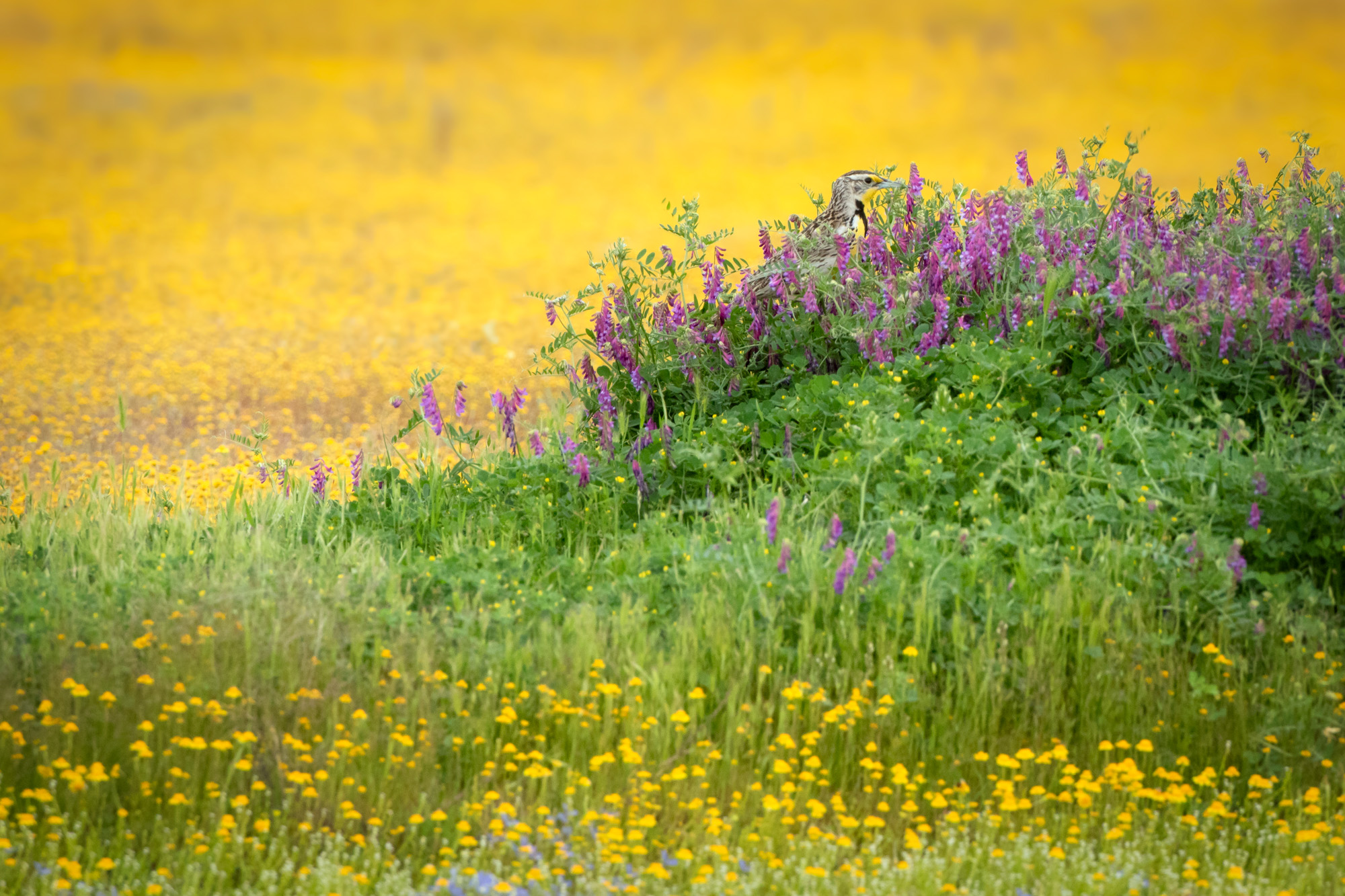
I climb into the back seat with my 500mm lens mounted on a monopod. From there, I can pivot and photograph out either side of the vehicle. I don’t use the window technique, I put my camera on a monopod to take the weight. The back windows in our truck are tinted, and I like having the full window to look through, not just a narrow opening, especially for bird-watching. It allows me to track movement more easily, to anticipate takeoff, and watch behaviour unfold.
And luckily, Ray drives.
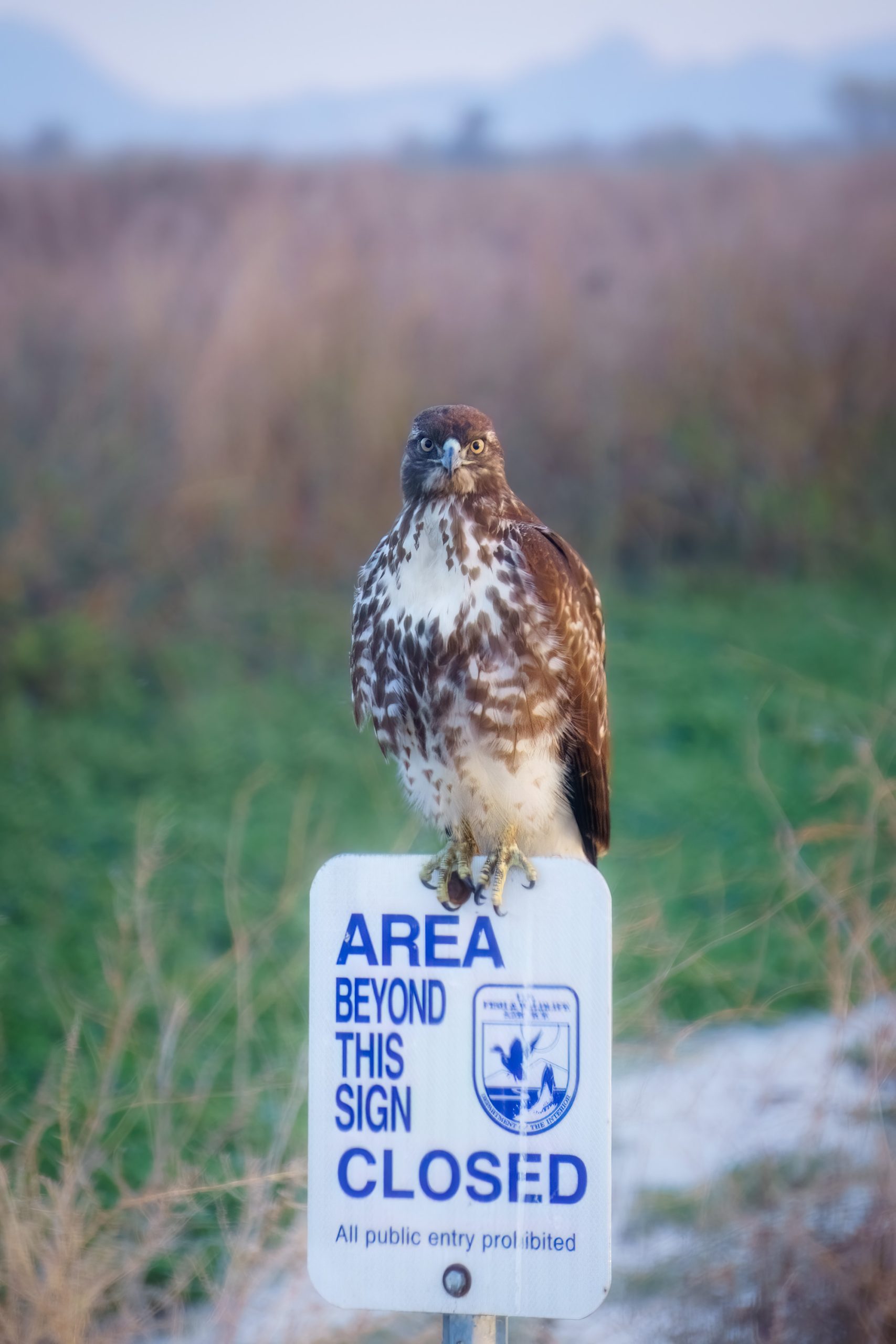
There’s a teamwork to getting some of these images. He edges the truck forward or stops gently when I whisper, “Hold on.” We roll slowly enough that the birds don’t spook. Often, they’re surprisingly tolerant of vehicles, more so than people on foot, so a vehicle becomes a moving hide that lets you observe intimate moments.
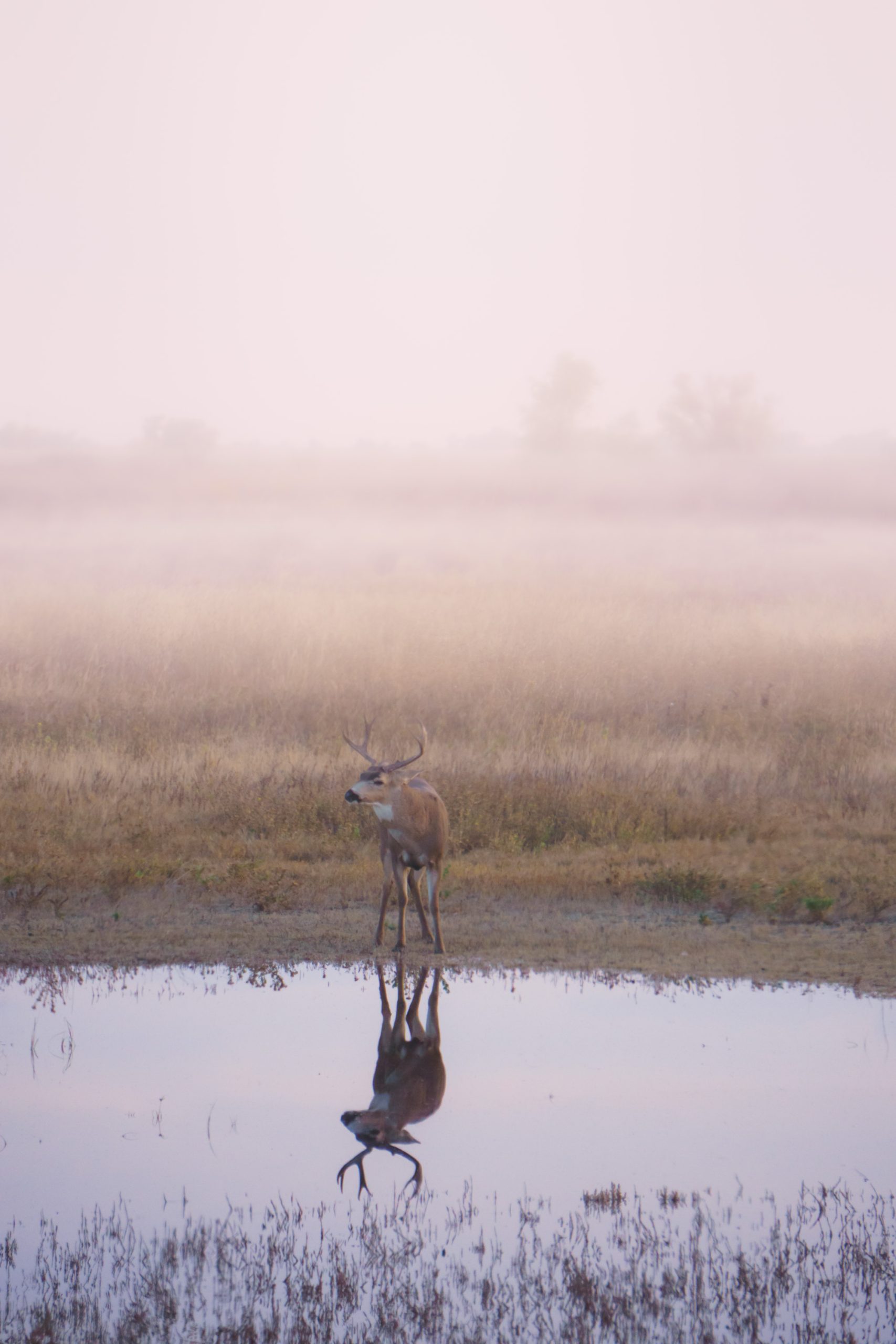
It’s not just birds, either. One of my favourite images from these visits is a deer standing at a watering hole, its reflection perfectly mirrored in the still water. We’ve also seen rabbits and turtles. Each trip reveals something new.
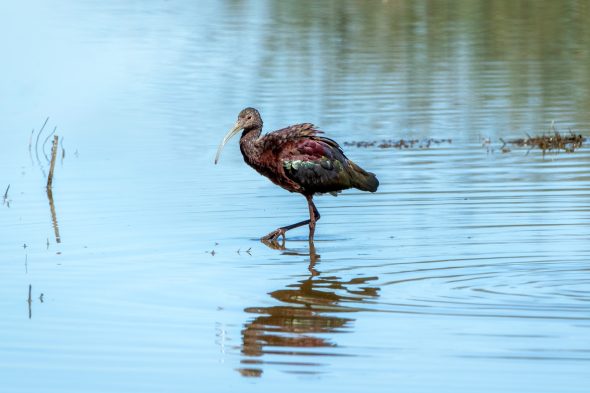
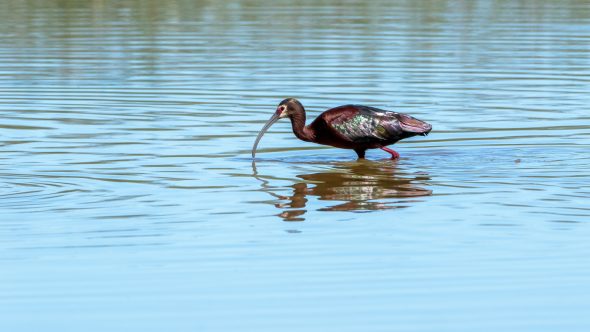
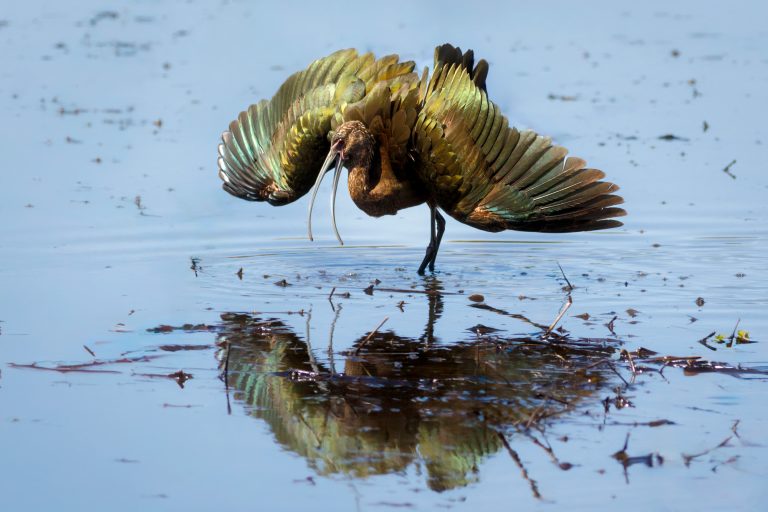
White-faced Ibis
In the fall, the air feels electric with arrival. Flocks gather. The refuge swells with sound. In spring, there’s a different energy: courtship displays, nesting behaviour, new growth pushing up through shallow water.
This place reminds me that wild places don’t have to be remote mountain ranges or distant deserts. Sometimes they’re in the middle of the action, near a highway or a city, sustaining life on a massive scale.
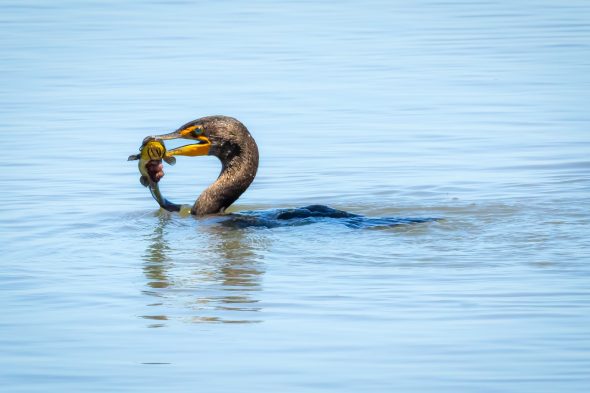
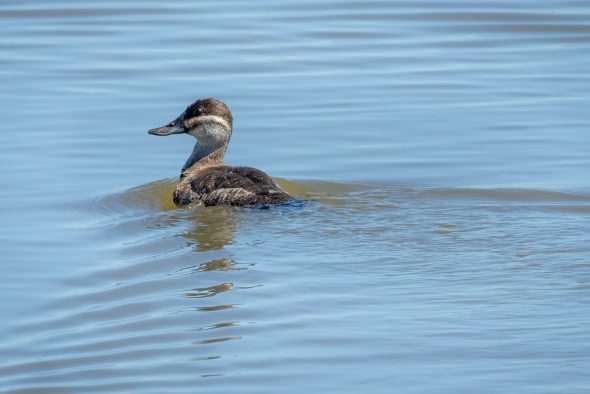
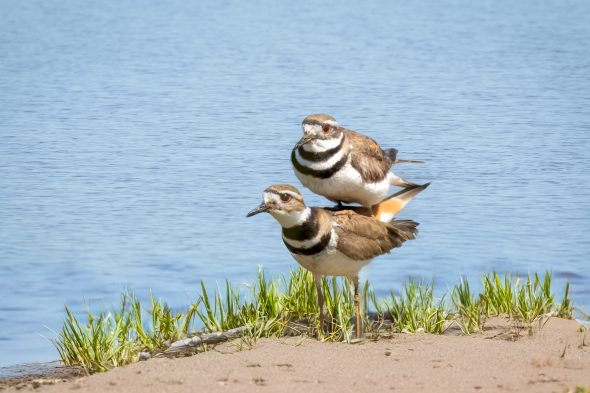
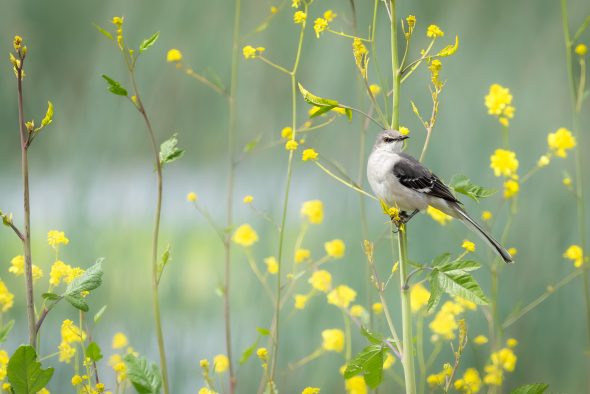
The refuge is not dramatic in the way cliffs or crashing surf can be. Its beauty is more subtle and expansive. It’s become my favourite new spot for bird photography. Not because it guarantees a particular species or a perfect shot, but because it invites you to sit, watch, and be present inside your own small metal box while the wild world carries on around you.
And somehow, that feels like a metaphor for so much else.
I was able to capture a wealth of photos at the Sacramento National Wildlife Refuge, but that wasn’t all. It is part of a larger complex of protected lands scattered across the valley. I have even more photos from the Colusa National Wildlife Refuge, and even the campground where we stayed was so full of birds, I spent a couple of days photographing there.
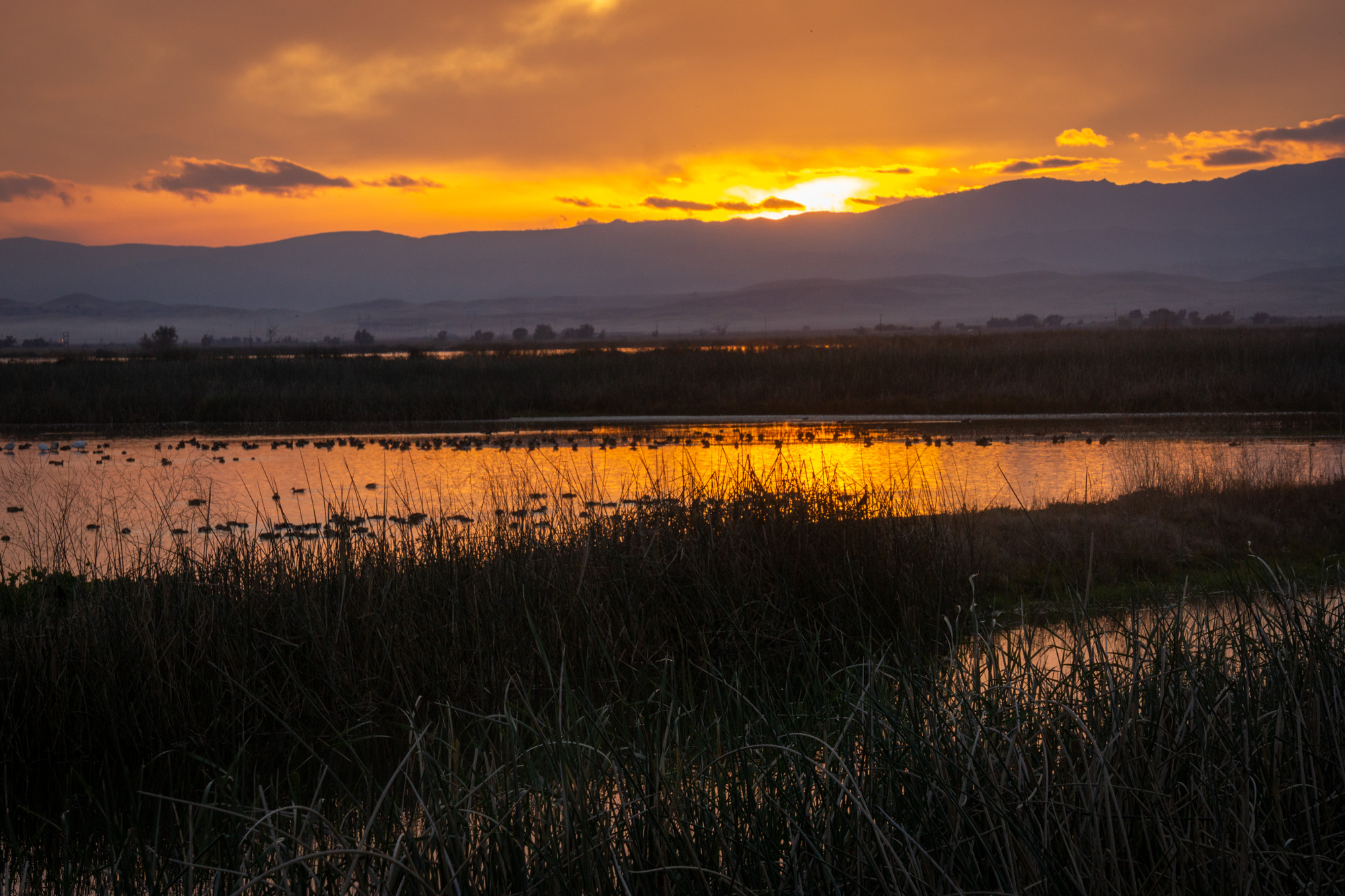
There’s something beautiful about spending a few days immersed in landscapes like this, where the edges between “destination” and “everyday” begin to blur. When even the campground feels like a birding hotspot, I know I’ve found something special.
Pro Tip:
If you don’t have a long lens, consider renting one. I’ve done that many times – it’s quite affordable to rent one for a weekend.
More photos from Colusa, and a glimpse into camp life, are coming soon.

Wish your photos had more impact?
If you’re ready to move beyond snapshots and start making photographs that truly stand out, my eBooks The Compelling Photograph (Books 1 & 2) will help you get there.
These eBooks will help you understand the principles of good image design, exploring the elements of design along with creative techniques and composition ideas — all explained with clear lessons and plenty of visual examples, so you can start composing with intention and impact.
Do you have a favourite spot for bird photography? Or maybe a particular technique you’ve tried, or a lens you love for photographing birds? If you feel like sharing, I’d love to hear about it.
Even a simple “thanks” or “me too” is always appreciated!
Beautiful bird shots
I’m still learning my camera & you’re such a great inspiration to me.
Prayers for you book writing
I’m also attempting to write a fictional book regarding human trafficking.
Take care & enjoy life
Thank you so much John, that truly means a lot to me to be considered an inspiration! And a fellow writer too. This novel is a first for me, so I’m not sure how the process is going to go, but I just keep working at it. Best of luck with yours too!
great photos Anne we have an estuary near by where I can photo spoonbills and king fishers its a place of peace within a city
Ohh, spoonbills! I love them. I really want to go back to Florida just for them, so beautiful. You are lucky to have them close by! Isn’t it funny how things that are exotic to some people are every day sights for others. Thank you for your comments.
a natureza é fantastica. A fotografa também. Então o que temos é uma obra prima
What a kind thing to say, thank you so much Joao, I appreciate it.
Great article and wonderful photos. Wow. Makes we want to come and have a look.
Hi Fraser, if you have the opportunity I would definitely recommend it, I had a wonderful time. I drove around that circle loop 3 times on one visit and you can pull over to one side if you want to sit and watch leaving enough room for other cars to pass. I really enjoy the refuges that have these auto tour routes. There is one at Cibola National Wildlife Refuge in Arizona that is a favourite too. Glad you enjoyed the post!
Your “Great Egrets” are actually Snowy Egrets (yellow feet and black beak). Great Egrets have yellow beaks and black feet.
Thank you Don, I appreciate that and I corrected it in the post. I guess I was just going on the size of them and they seemed pretty big! Of course when you see both kinds together it is obvious. But now I know to look for the yellow feet. Many thanks!
Anne , Thank you so much for this wonderful article ! I was not aware of this area and because I am no longer a spring chicken the driving loop would be a great option for me . I am in Boise Idaho so the drive is a reasonable option for my wife and I.
I would like to know what company you use for lens rental and how that process works . Is it all done with mailing the lenses back and forth ?
Thanks again for your great information , love your writing style !
Hi Ken, yes it is all done with mailing the lenses back and forth. If you are travelling, you can get them sent to a UPS store for pick up. I have used two different places in the USA: lensrentals.com in California and thelenspal.com in Florida. Those were quite awhile ago, but they were both great. Each time I rented the lens for a week. In Canada I used lenslenders.ca for the equipment I rented for my trip to Africa and I used them one other time as well. The lenses are mailed in a pelican case, so there is no worry about damage. I just looked up lensrentals.com and you can rent the Canon 100-400mm L lens (awesome lens) for $113 for a week. I also used a place called gear policy in Canada to insure the camera equipment I took to Africa – because I rented a camera and 2 lenses.
Glad you enjoyed the post Ken. Hope this info is helpful.
Amazing photos, Anne, and such a variety of species! The grebes are too much with their hats! I will treasure my four years living right off the Salish Ponds Wetlands Park in Fairview, OR. It is a relatively small City park and hosts a staggering bird population. Now in New Mexico, I’m hours from the Bosque del Apache, and as you know, you’re bound to be surprised by how many different species exist in the southern deserts of AZ and NM. Thank you for a great article!
Hi Hety, The Grebes are so pretty, I love how sharp the line is between the white and the black. We have Western Grebes here in BC, and they have a bit of a grey transition zone. I haven’t been to Bosque del Apache yet! Someone else recommended it to me just the other day. Of course I’ve heard about it, and it’s been on my list forever, but for some reason I haven’t made it there yet. I think it is really popular and I tend to like the places with fewer people. But I really do have to get there one day! One place I love in Arizona for bird photography is Whitewater Draw. If you are ever in that area, it is worth a visit. Thanks for your comments!